Category: Uncategorized

  • Bathroom Design Ideas: A Professional Approach to Furniture Selection and Layout

    When clients ask me where to start with bathroom design, my answer is always the same: begin with the furniture. Tiles and lighting matter, but the functionality and visual structure of the room are defined by the bath vanity, storage units, and built-in cabinetry. Every successful bathroom project I’ve completed started with a precise understanding of how the space would be used — and by whom.

    Below, I’ll break down the principles I apply when advising clients on bathroom furniture, layout, and long-term performance.


    Start With Layout, Not Decoration

    Before choosing finishes or fittings, evaluate spatial logic.

    In compact bathrooms, circulation is critical. The depth of a bathroom vanity cabinet with sink determines whether the room feels comfortable or cramped. Standard depths range from 450–550 mm. In tight spaces, I often specify a reduced-depth bath vanity to preserve walking clearance without compromising storage.

    In larger bathrooms, zoning becomes essential. Separate wet and dry areas allow for more flexibility in furniture selection. For example, placing a freestanding tub away from the vanity wall enables the installation of wider vanities for the bathroom — particularly useful in shared family settings.

    Layout decisions should always support ergonomics, plumbing efficiency, and long-term maintenance.


    Choosing the Right Vanity: Function First, Style Second

    The bathroom vanity with sink is the hardest-working element in the room. It houses plumbing, provides storage, and defines the aesthetic tone.

    When advising clients, I consider:

    1. Storage Configuration

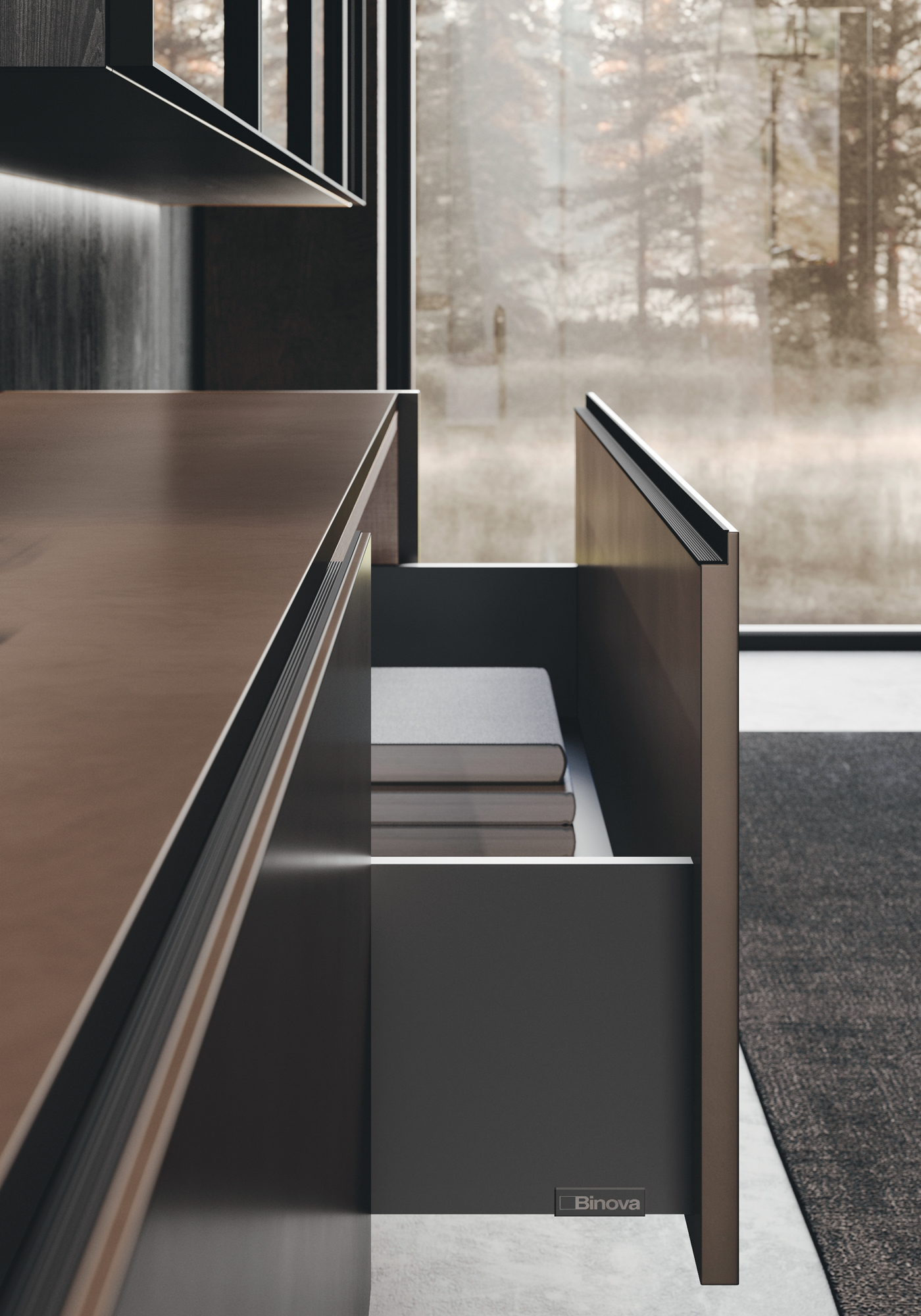
    Drawers are superior to doors in most cases. Deep drawers with internal dividers maximize usable volume and prevent clutter. In family bathrooms, I design compartmentalized storage to separate grooming tools, cleaning products, and daily essentials.

    2. Countertop Integration

    An integrated basin within a bathroom vanity cabinet with sink creates a seamless surface that’s easier to clean. In contrast, countertop basins add visual interest but require more frequent maintenance around the base.

    3. Wall-Mounted vs Floor-Standing

    A modern bathroom vanity is often wall-mounted. Floating units visually enlarge the space and simplify floor cleaning — ideal for contemporary interiors. However, in traditional homes or properties with uneven walls, a floor-standing bath vanity offers structural reliability and a grounded appearance.

    Every decision must balance practicality and proportion.


    Understanding Design Language: Modern vs European Influence

    Style should align with architecture.

    A modern bathroom vanity typically features handleless fronts, matte finishes, and precise geometry. It works well in new builds and open-plan homes where minimalism supports the broader design narrative.

    By contrast, a european bathroom vanity may introduce wood veneers, fluted details, or integrated lighting within drawers. European design often prioritizes refined craftsmanship and tactile materials. I frequently recommend this direction for clients seeking understated luxury rather than stark minimalism.

    Material selection is not aesthetic alone — it affects longevity. High-humidity environments demand moisture-resistant MDF cores, sealed veneers, or treated solid timber.


    Storage Strategy: Beyond the Vanity

    Vanity units alone are rarely sufficient.

    Well-designed bath cabinets create vertical storage without overwhelming the room. Tall cabinets installed at the end of a vanity wall provide concealed shelving for linens and cleaning supplies.

    In smaller bathrooms, recessed cabinetry between studs can add storage without increasing projection into the room. For clients renovating period properties, I often integrate custom bath cabinets into alcoves to preserve architectural character.

    The key principle: storage should feel intentional, not added as an afterthought.


    Small Bathroom Solutions That Actually Work

    In compact spaces, every millimeter counts.

    A reduced-width bathroom vanity with sink (600–800 mm) can still provide meaningful storage if drawer organization is optimized. I avoid recommending pedestal sinks unless absolutely necessary; they waste valuable storage volume.

    Wall-mounted modern bathroom vanity units paired with mirrored cabinets create vertical expansion. Light finishes — soft oak, warm white, muted stone — help prevent visual compression.

    For extremely narrow rooms, I sometimes specify offset basins within the bath vanity to increase counter usability without increasing overall width.

    Good small-bathroom design is about efficiency, not compromise.


    Double Vanities: When and Why

    Clients often request double sinks without considering space requirements.

    A shared vanity must be at least 1200 mm wide to function properly. Anything smaller creates elbow conflict. When designed correctly, dual basins within vanities for the bathroom significantly improve morning routines.

    However, I always ask: is the plumbing wall long enough? Is there sufficient drawer space between basins? A poorly proportioned double vanity becomes decorative rather than functional.

    In master bathrooms with adequate square footage, a well-designed european bathroom vanity with dual integrated sinks can elevate both usability and resale value.


    Materials and Finishes: Performance Matters

    Humidity, cleaning agents, and temperature fluctuations challenge bathroom furniture daily.

    I advise clients to avoid low-grade particleboard in wet zones. Instead, opt for sealed plywood construction, high-pressure laminates, or lacquered finishes rated for moisture resistance.

    Countertops in quartz or porcelain outperform marble in high-traffic bathrooms due to lower porosity. Hardware should be corrosion-resistant — brushed stainless or treated brass perform consistently.

    A bath vanity should look good in five years, not just on installation day.


    Lighting Integration and Final Layering

    Furniture planning must coordinate with lighting.

    Integrated LED strips beneath wall-mounted vanities add depth and practical night lighting. Backlit mirrors installed above a bathroom vanity with sink reduce shadowing on the face — essential for grooming tasks.

    I design lighting and cabinetry together. Retrofitting later often compromises symmetry and wiring concealment.


    Final Thoughts: Design With Use in Mind

    Bathroom design is not about trends. It is about precision.

    Select vanities for the bathroom based on storage behavior, spatial proportion, and architectural context. Choose a modern bathroom vanity when minimalism suits the structure. Opt for a european bathroom vanity when material richness and craftsmanship are priorities.

    Most importantly, evaluate how the room will function every morning and every night. The right bath vanity and supporting bath cabinets transform a bathroom from a decorative room into a well-engineered living space.

    That is the difference between styling a bathroom — and designing one.
  • The Ultimate Guide to Modern Kitchen Cabinet Finishes: Materials, Styles, and Smart Shopping

    The Ultimate Guide to Modern Kitchen Cabinet Finishes: Materials, Styles, and Smart Shopping

    When you’re planning your dream kitchen renovation, choosing the right cabinet finish can feel overwhelming. Modern kitchen cabinets serve as the foundation of contemporary kitchen design, and with so many stunning options available today, it’s worth understanding what each material brings to the table – both aesthetically and financially. Let’s explore the most popular finishes that are defining modern kitchen ideas in American homes right now.

    Understanding Cabinet Finish Basics

    Before diving into specific materials, it’s helpful to understand that cabinet finishes fall into several main categories. The finish you choose affects not just the appearance of your kitchen cabinets, but also their durability, maintenance requirements, and of course, the cost of kitchen cabinets overall. Whether you’re working with custom cabinet makers or exploring options at your local cabinets store, knowing these fundamentals will help you make informed decisions that align with your modern kitchen design vision.

    Think of cabinet finishes as the “clothing” for your cabinet boxes. Just as you might choose different fabrics for different occasions, cabinet finishes serve different purposes and create different moods in your space. Some finishes prioritize easy maintenance for busy families, while others focus on creating that perfect Instagram-worthy white kitchen aesthetic.

    Painted Finishes: The Versatile Champion

    Painted finishes remain the most popular choice for modern kitchen cabinets, and it’s easy to see why. This versatile option works beautifully across all modern kitchen styles, from minimalist Scandinavian designs to bold contemporary statements. White kitchen cabinets continue to dominate the market, offering timeless appeal that works with virtually any modern kitchen ideas you might have in mind.

    The beauty of painted finishes lies in their flexibility. Cabinet builders can achieve virtually any color you envision, making them perfect for custom kitchen cabinets that reflect your personal style. Popular colors extend far beyond classic white – soft grays, navy blues, and even dramatic black cabinets kitchen designs are trending strongly in modern kitchen design.

    Price-wise, painted finishes typically range from $150 to $400 per linear foot for quality work. The variation depends on factors like the complexity of your kitchen cabinet design, whether you’re choosing stock options or working with custom cabinets, and the specific paint system used. High-end painted finishes that resist chipping and provide superior durability will push toward the higher end of this range, but they’re often worth the investment for their longevity.

    Wood Stains: Bringing Natural Beauty Forward

    While painted finishes dominate contemporary trends, wood cabinets kitchen installations are experiencing a renaissance in modern design. Today’s approach to wood finishes feels fresh and sophisticated, moving away from the heavy, dark stains of previous decades toward lighter, more natural-looking options that complement modern kitchen cupboards perfectly.

    Modern wood stains celebrate the natural grain and character of the wood itself. Popular choices include light oak with clear or whitewashed finishes, walnut with natural oils that enhance the grain, and even exotic woods like bamboo for eco-conscious homeowners. These finishes work particularly well in modern kitchen units that emphasize clean lines and natural materials.

    The pricing for quality wood stain finishes typically ranges from $200 to $500 per linear foot. The wide range reflects the difference between domestic hardwoods like oak or maple versus premium options like walnut or cherry. When working with experienced cabinet makers, you’ll find that the investment in quality wood and expert finishing pays dividends in both beauty and durability.

    Laminate: The Budget-Friendly Modernist

    Don’t underestimate modern laminate finishes – today’s options are light-years beyond the fake wood-grain laminates of the past. Contemporary laminate can convincingly mimic everything from marble and concrete to exotic woods and solid colors. For kitchen counter cabinets and full kitchen renovations on a budget, high-quality laminate offers impressive style without breaking the bank.

    Modern laminate finishes excel in high-traffic areas and are particularly practical for families with young children. They resist stains, scratches, and moisture better than most other finishes, making them ideal for modern kitchen styles that prioritize function alongside form. Many cabinet builders now offer laminate options that are virtually indistinguishable from painted or wood finishes at first glance.

    Expect to pay between $100 to $250 per linear foot for quality laminate kitchen cabinets. While this represents significant savings compared to painted or wood options, investing in higher-grade laminates ensures better durability and more convincing appearance. The best laminate finishes feature realistic textures and patterns that enhance the overall modern kitchen design.

    Thermofoil: Smooth Sophistication

    Thermofoil finishes involve wrapping cabinet doors and drawer fronts in a heated vinyl film, creating an incredibly smooth, seamless surface that’s become increasingly popular in modern style kitchen cabinets. This process allows for complex profiles and details that would be expensive to achieve with painted finishes, making thermofoil an excellent choice for homeowners who want sophisticated detailing in their contemporary kitchen cabinets.

    The biggest advantage of thermofoil is its resistance to moisture and easy cleaning properties, which makes it particularly suitable for both kitchen units designs and bath cabinets. The seamless surface means there are no brush marks or grain patterns to collect dust and grease, making maintenance surprisingly simple for busy households.

    Thermofoil kitchen cabinets typically cost between $125 to $300 per linear foot. The process requires specialized equipment and expertise, so working with experienced cabinet builders is essential for achieving professional results. While thermofoil can’t be painted if you want to change colors later, the durability and low maintenance often make this trade-off worthwhile.

    Metal Finishes: Industrial Chic

    For homeowners drawn to truly cutting-edge modern kitchen ideas, metal finishes offer unparalleled sophistication and durability. Stainless steel remains the classic choice, providing the same professional aesthetic found in commercial kitchens, but newer options like brushed aluminum, copper, and even blackened steel are gaining popularity in high-end modern kitchen design.

    Metal finishes work particularly well as accent elements in modern kitchen cabinets – perhaps on island cabinetry or as contrast elements in predominantly white kitchen designs. They pair beautifully with other modern materials like concrete countertops and glass backsplashes, creating cohesive contemporary kitchen cabinets that feel both luxurious and functional.

    The investment for metal finishes ranges from $300 to $800 per linear foot, depending on the specific metal and fabrication complexity. While this represents a significant investment, the durability and unique aesthetic appeal make metal finishes compelling choices for discerning homeowners who want truly distinctive modern kitchen cupboards.

    Making Smart Choices for Your Space

    When selecting finishes for your modern kitchen cabinets, consider both immediate appeal and long-term practicality. A white kitchen remains timeless and helps smaller spaces feel larger, while wood cabinets kitchen installations can add warmth and character to contemporary designs. For those working with custom cabinets, consider mixing finishes – perhaps painted upper cabinets with wood lowers, or incorporating metal accents for visual interest.

    Remember that kitchen cabinet prices represent a significant portion of your renovation budget, typically accounting for 35-40% of total costs. Investing in quality finishes from reputable cabinet makers often proves more economical long-term than choosing the cheapest option, as superior finishes resist wear and maintain their appearance for decades.

    The Bottom Line

    Modern kitchen cabinet finishes offer more options than ever before, allowing homeowners to create truly personalized spaces that reflect their lifestyle and aesthetic preferences. Whether you’re drawn to the clean simplicity of white kitchen cabinets, the natural beauty of wood finishes, or the cutting-edge appeal of metal accents, understanding your options helps ensure your investment creates the modern kitchen design of your dreams.

    Take time to visit showrooms, consult with experienced cabinet builders, and consider how different finishes will look in your specific lighting conditions. Your kitchen cabinets will serve you for decades, making the time invested in choosing the right finish one of the smartest decisions you can make in your renovation journey.